Join Our Certified IV Sterile Compounding Trainer CIVSCT Program: Be Unique
Develop advanced expertise in USP 797 guidelines, sterile compounding, aseptic technique, quality systems, and competency-based training to become a recognized IV sterile compounding trainer.
Why to Enroll in Our CIVSCT Program?
Our Program is a specialized professional development program designed to prepare pharmacists and healthcare professionals to lead, train, assess, and sustain excellence in IV sterile compounding preparation services:
1. Trainer-Focused Curriculum
Learn not only how to perform sterile compounding but also how to train and assess others effectively.
2. USP-Compliant Practice
Master key requirements from USP and USP , along with international best practices.
3. Patient Safety First
Reduce contamination risks and improve medication safety through evidence-based aseptic techniques.
4. Engineering & Environmental Controls
Understand facility design, cleanroom operations, environmental monitoring, and contamination control.
5. Quality & Risk Management
Implement CAPA, risk assessment, documentation systems, and quality improvement initiatives.
6. Leadership Development
Develop coaching, mentoring, and competency assessment skills required for trainer roles.
Uncover the Learning Outcomes of our CIVSCT Program
Upon successful completion, participants will be able to:
◎ Apply sterile compounding principles aligned with safety and regulatory standards of USP 797.
◎ Utilize engineering and environmental controls to maintain compliant compounding environments.
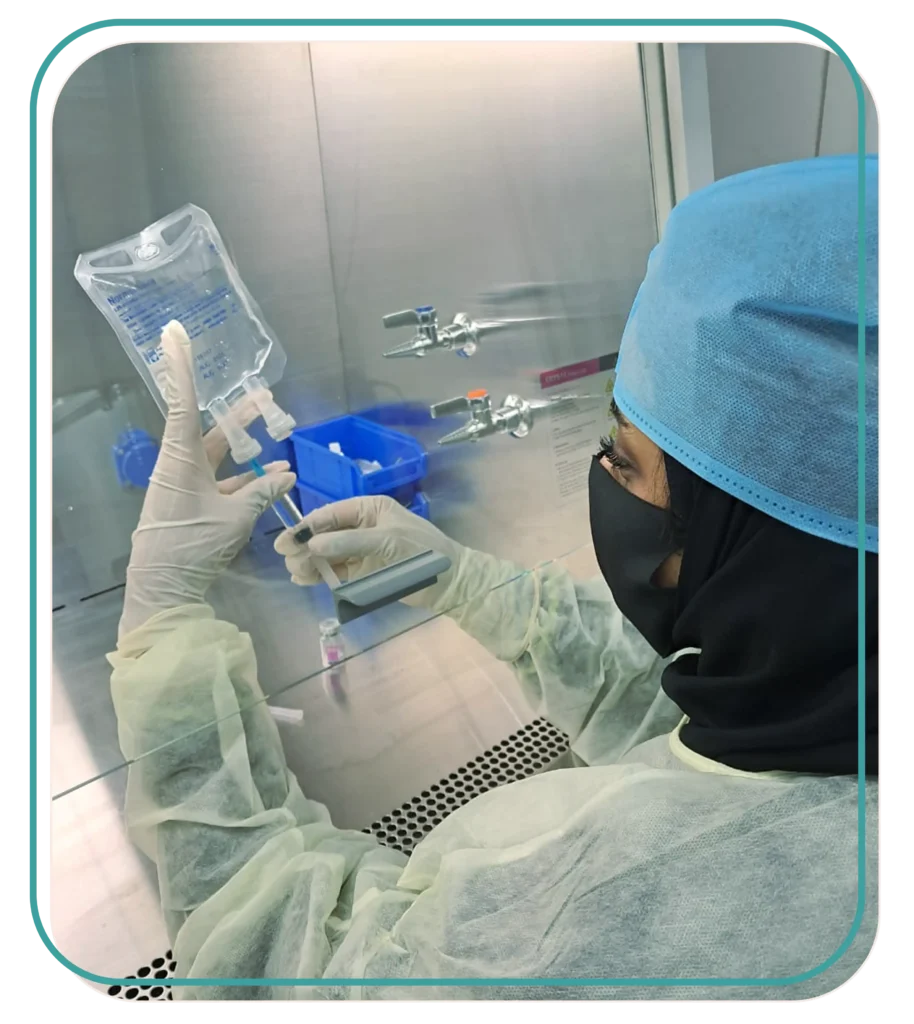
◎ Perform aseptic compounding techniques accurately and safely.
◎ Implement quality assurance and risk management systems.
◎ Ensure compliance with USP, CBAHI, and JCI standards.
◎ Apply safe handling and waste management procedures.
◎ Train, coach, and assess competency in sterile and IV compounding practices.
Certified IV Sterile Compounding Trainer CIVSCT Program Curriculum
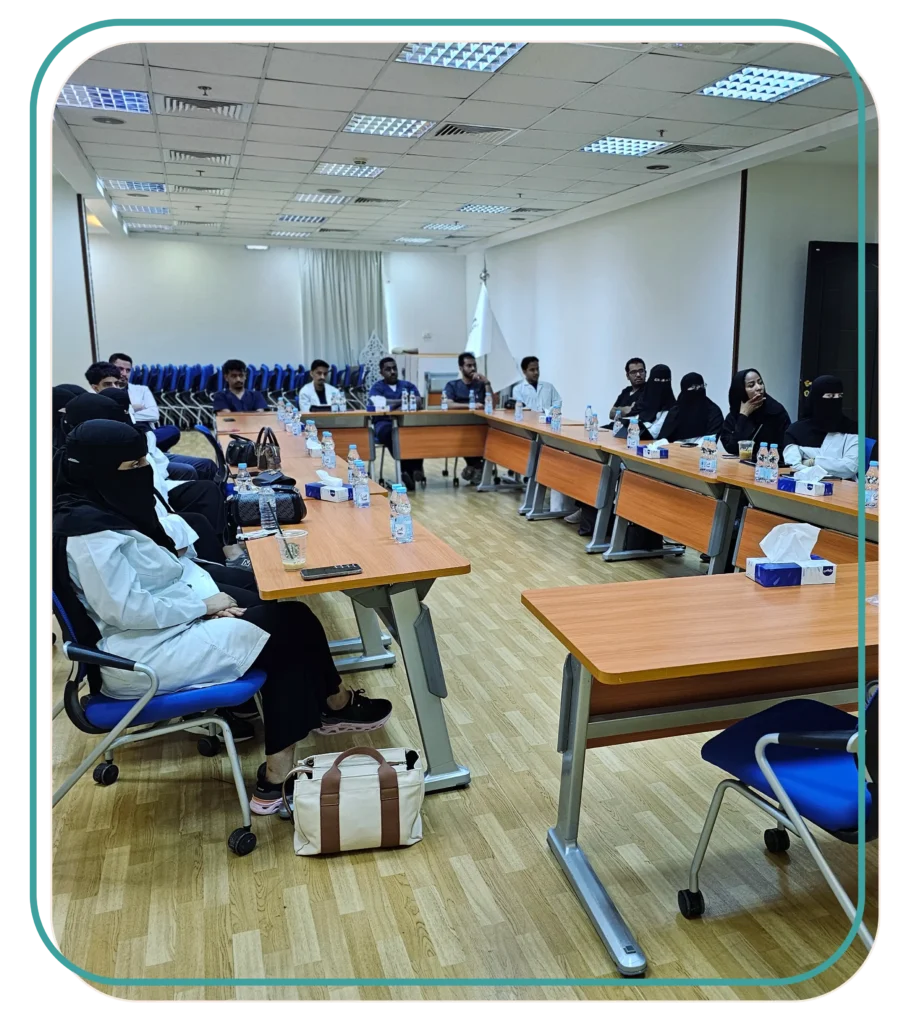
Our unique program integrates USP 797 standards, engineering controls, aseptic processing, quality assurance, risk management, and competency evaluation into a structured learning pathway to become an IV certified pharmacist in sterile compounding environments:
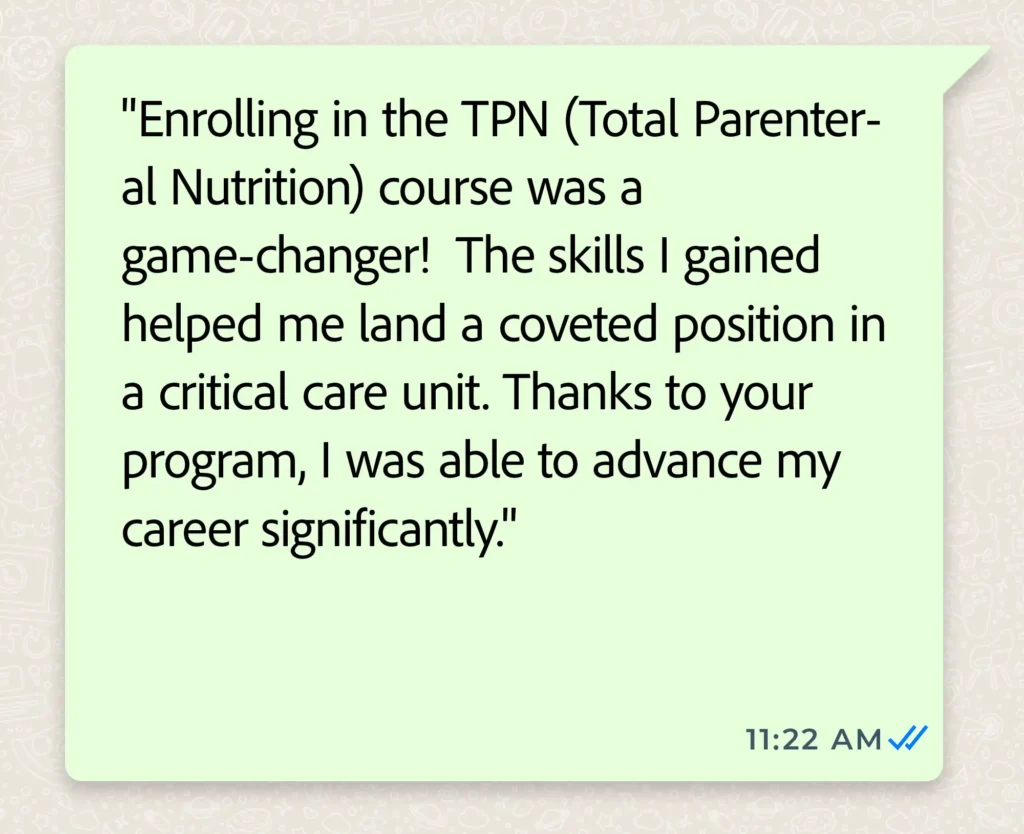
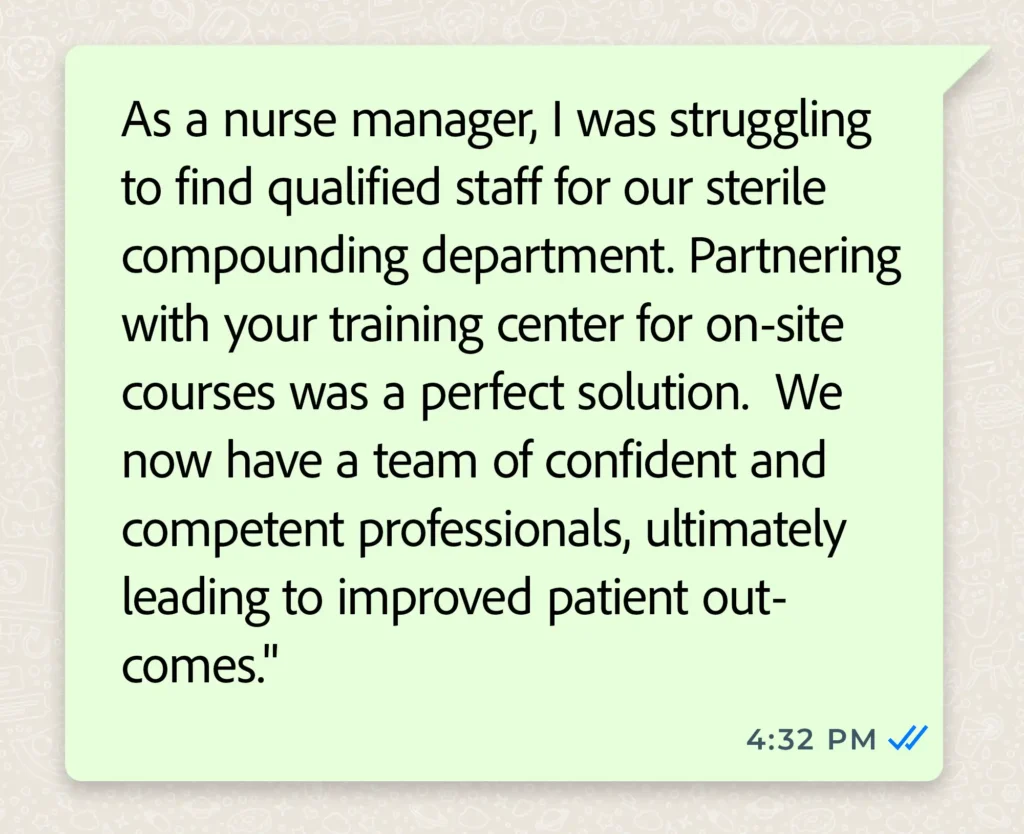
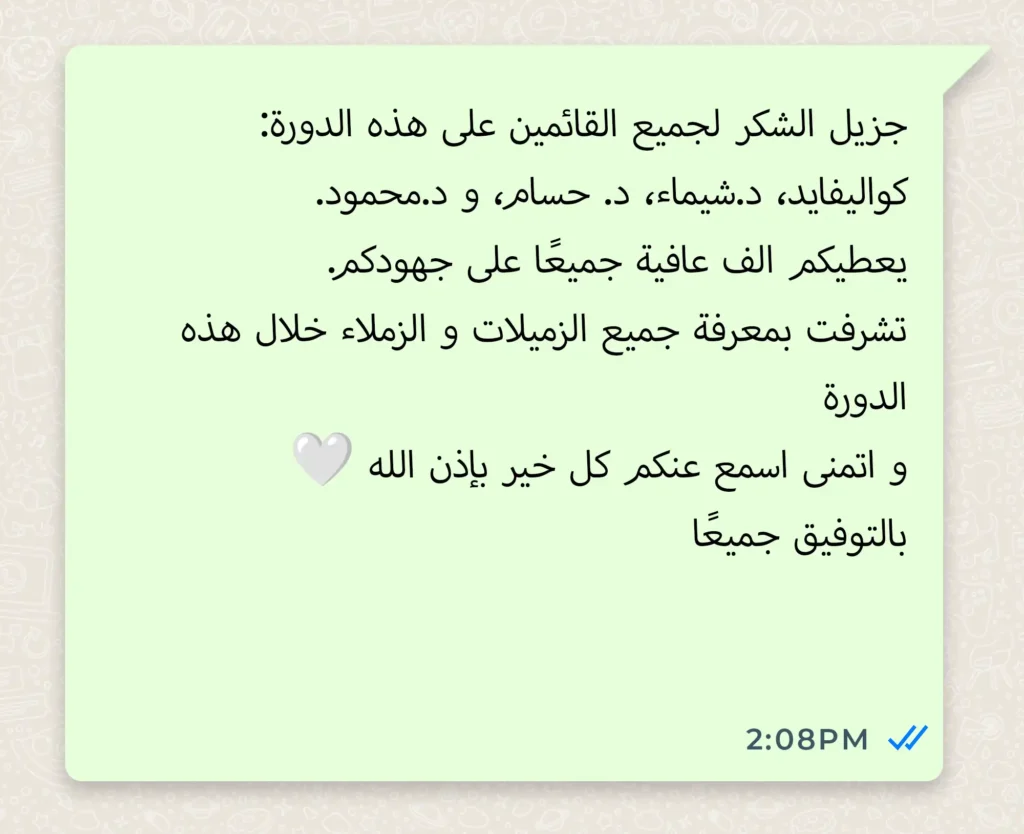
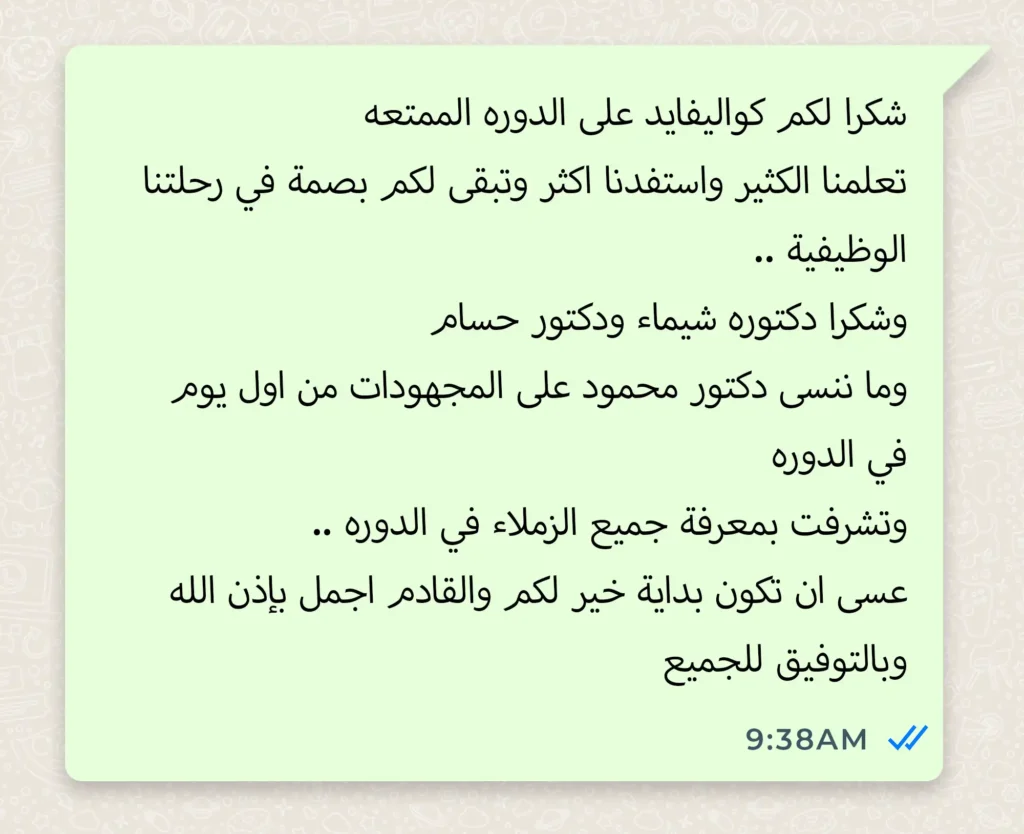
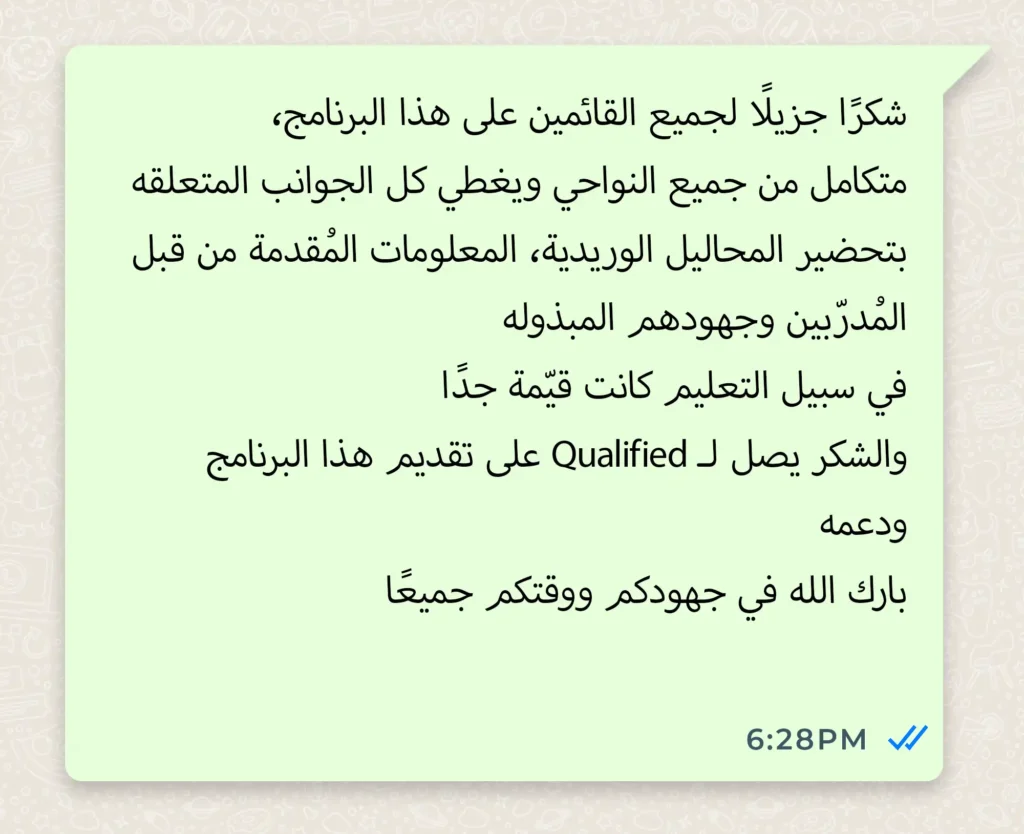
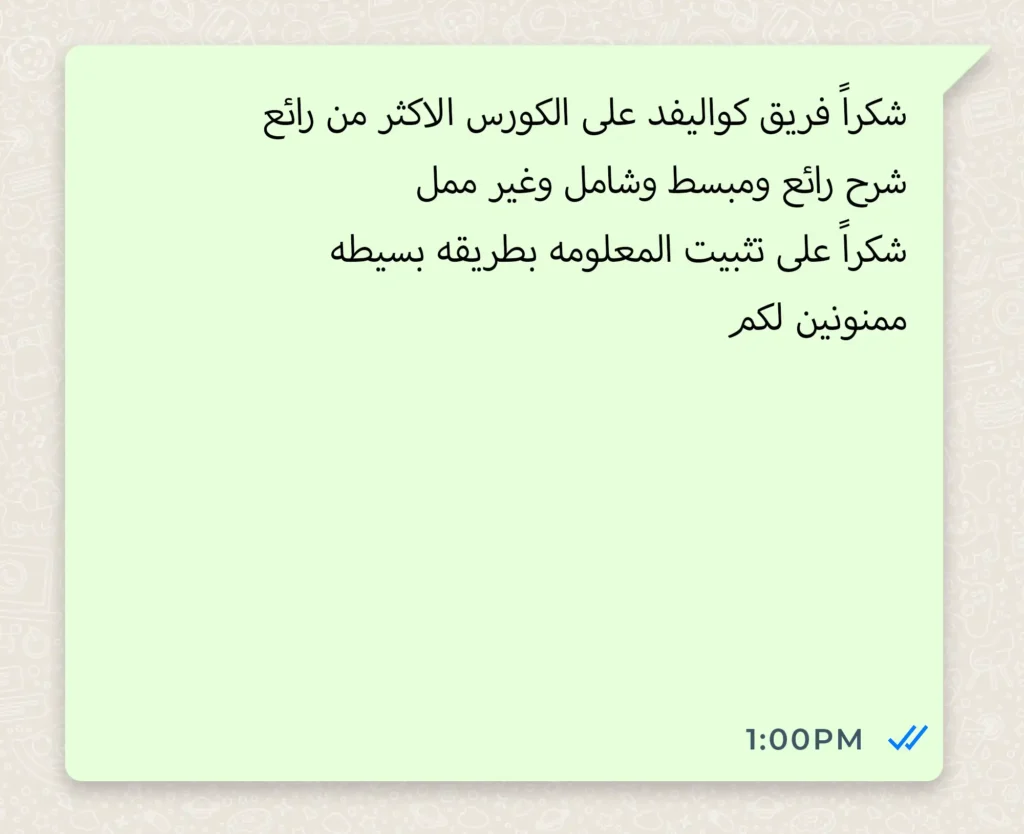
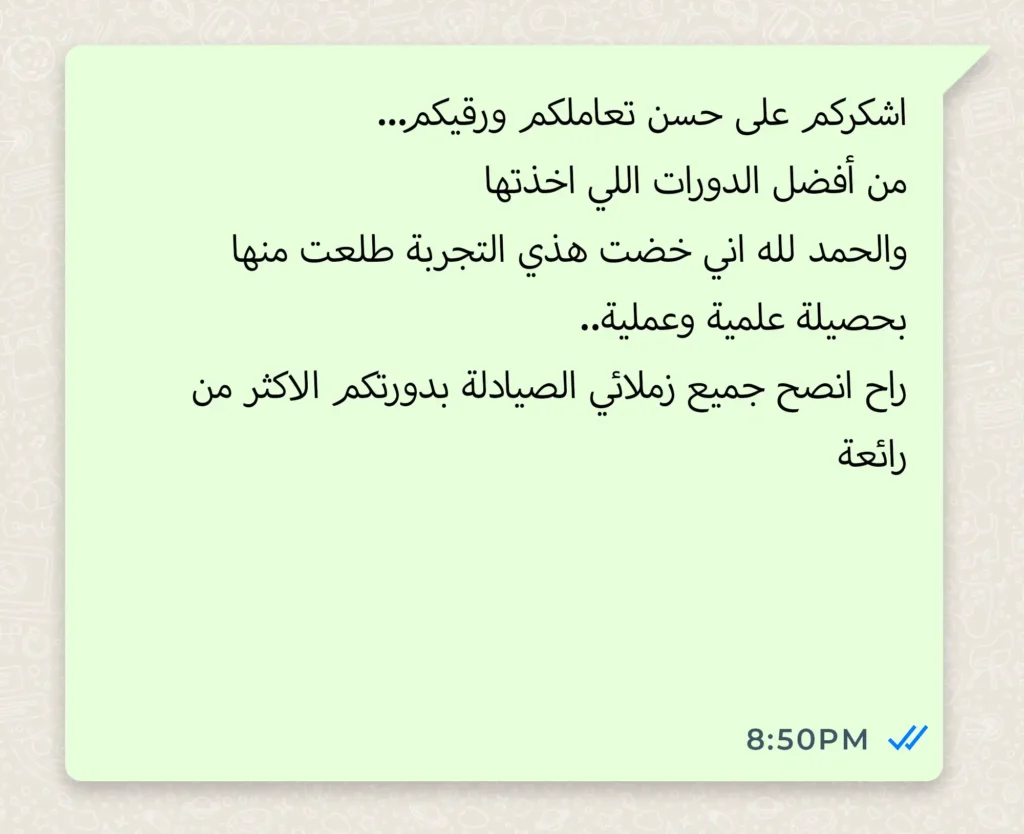
Real-World ResultsWhat Our Participants Say About Our Program!
Discover why healthcare professionals choose our program to advance their knowledge in chemotherapy compounding and ensure patient safety:
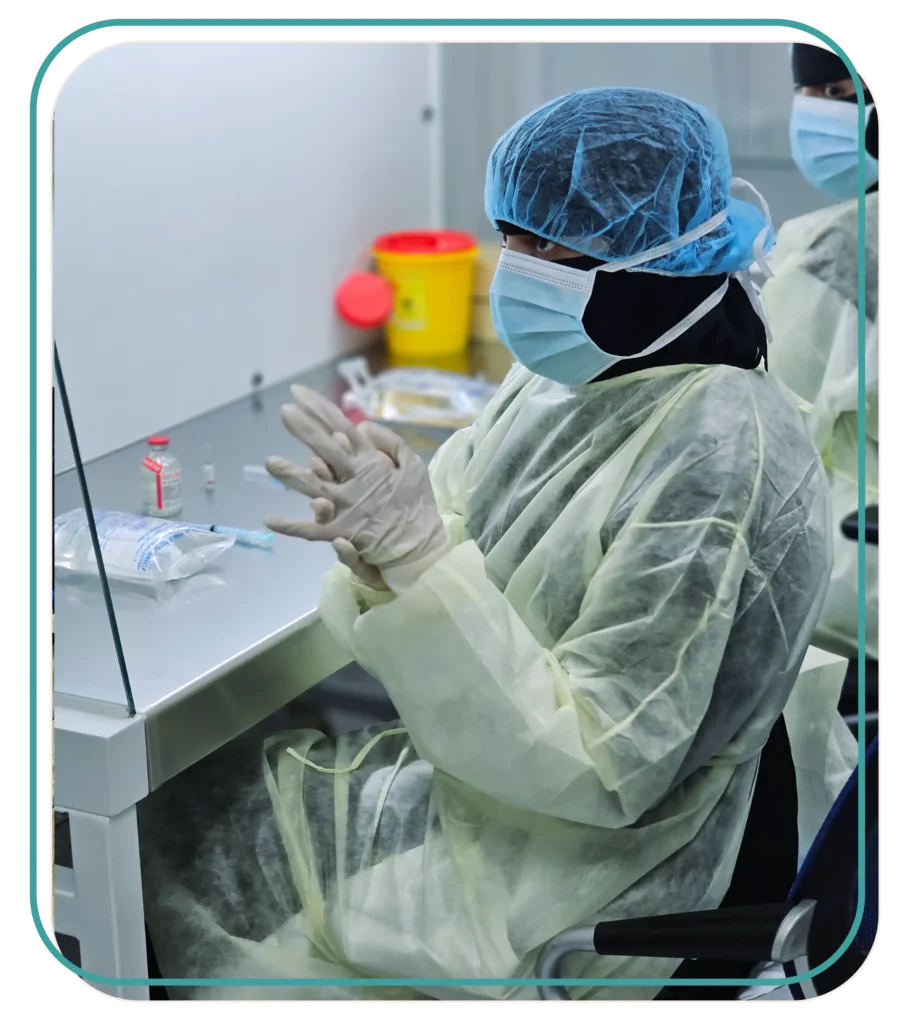
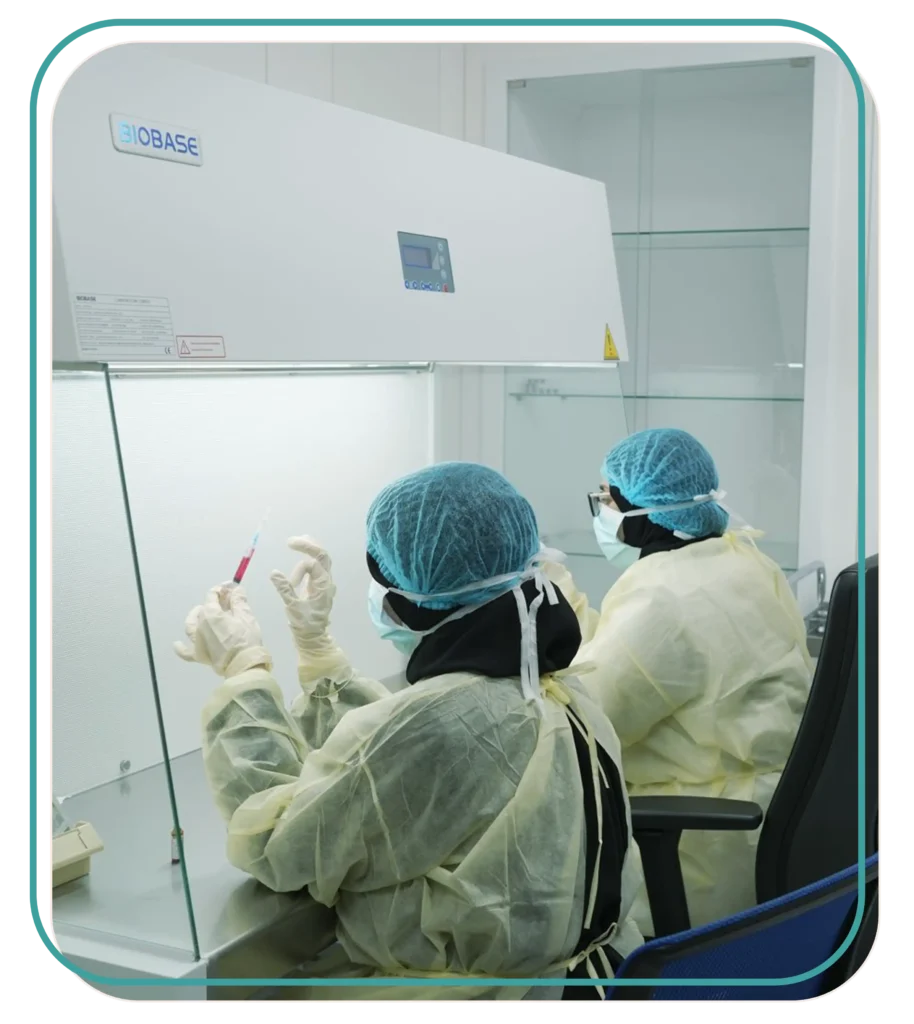
Dr. Israa
Dr. Fares Al Zahrani
Dr. Ateka's
Get Your Accredited IV Trainer Certificate
Participants who successfully complete the program’s formative and summative assessments will receive their certificate as “Certified IV Sterile Compounding Trainer CIVSCT”.
Invest Now
4500 SAR / AED
4500 SAR / AED
4500 SAR / AED
4500 SAR / AED
Or Pay 700 SAR / Month by
instead of6000 SAR / AED
Secure Investment Guarantee: We are confident in the quality and value of the program; therefore, we offer you a full fee refund guarantee immediately after the first session if the program does not meet your expectations. Invest with zero risk!






 Secure Investment Guarantee: We are confident in the quality and value of the program; therefore, we offer you a full fee refund guarantee immediately after the first session if the program does not meet your expectations. Invest with zero risk!