The Certified IV Therapy & Aseptic Technique Nurse CIVTATN Program: Compete & Lead
Gain practical, evidence-based knowledge in IV therapy, aseptic technique, medication safety, vascular access management, and patient safety while aligning your practice with international healthcare standards.
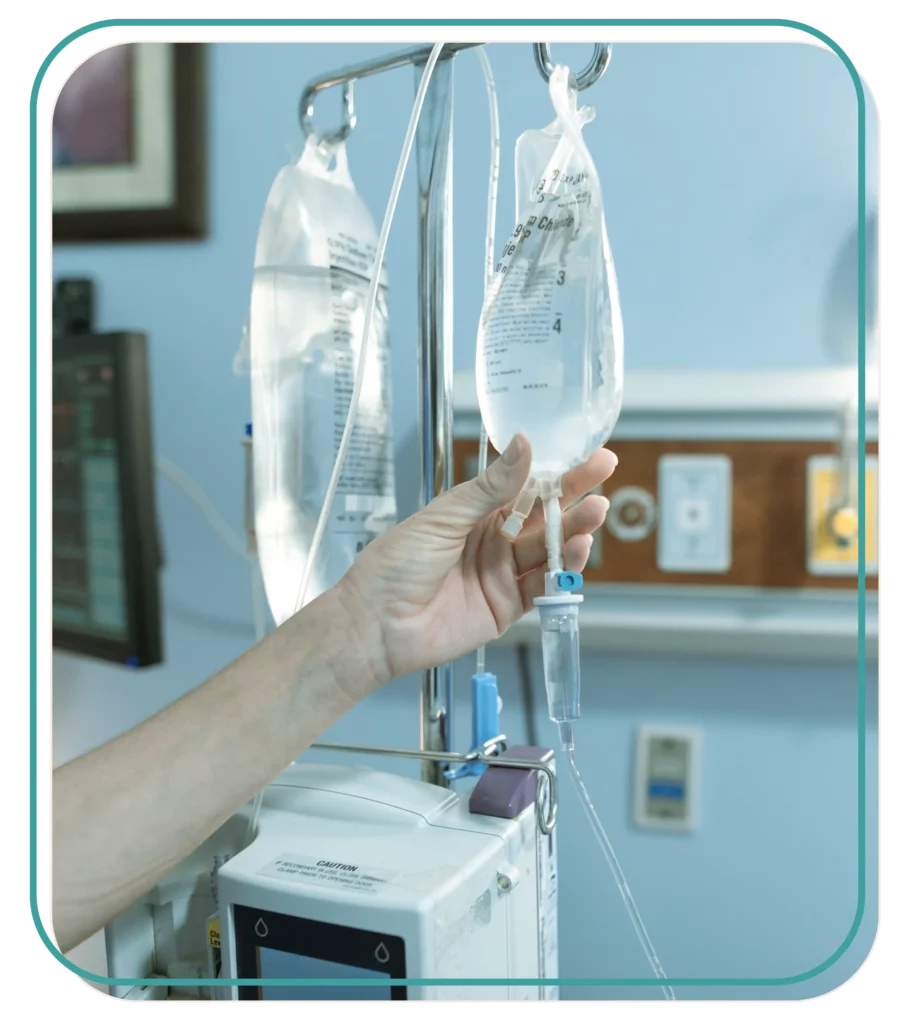
Our program is a specialized professional development program designed to strengthen nurses’ competencies in IV therapy and aseptic practice.
5 Reasons to Enroll in CIVTATN Program?
The CIVTATN program equips participants with the knowledge and practical skills required to safely prepare, administer, monitor, and manage IV therapies while minimizing patient risk and promoting evidence-based clinical practice:
1. Learn Evidence-Based IV Practice
Develop practical knowledge grounded in internationally recognized patient safety principles.
2. Strengthen Medication Safety
Reduce medication-related risks through verification processes, double-check systems, and monitoring strategies.
3. Improve Infection Prevention
Apply aseptic non-touch technique (ANTT), hand hygiene principles, PPE selection, and contamination prevention measures.
4. Enhance Clinical Decision-Making
Recognize complications early and implement appropriate interventions and escalation pathways.
5. Align with Quality Standards
Learn practices aligned with CBAHI and Joint Commission International standards.
Key Learning Outcomes You Will Master in CIVTATN Program
Upon successful completion of CIVTATN program, participants will be able to:
◎ Apply principles of sterile compounding and IV medication safety.
◎ Differentiate vascular access devices and select appropriate access methods.
◎ Program and troubleshoot infusion devices safely.
◎ Calculate and adjust IV infusion rates accurately.
◎ Implement aseptic techniques and infection prevention measures.
◎ Apply WHO hand hygiene principles during IV procedures.
◎ Perform safe IV medication verification and administration.
◎ Utilize independent double-check systems and barcode verification.
◎ Monitor patients receiving IV therapy and identify adverse events.
◎ Recognize, manage, and report IV-related complications.
◎ Apply risk management and patient safety principles in clinical practice.
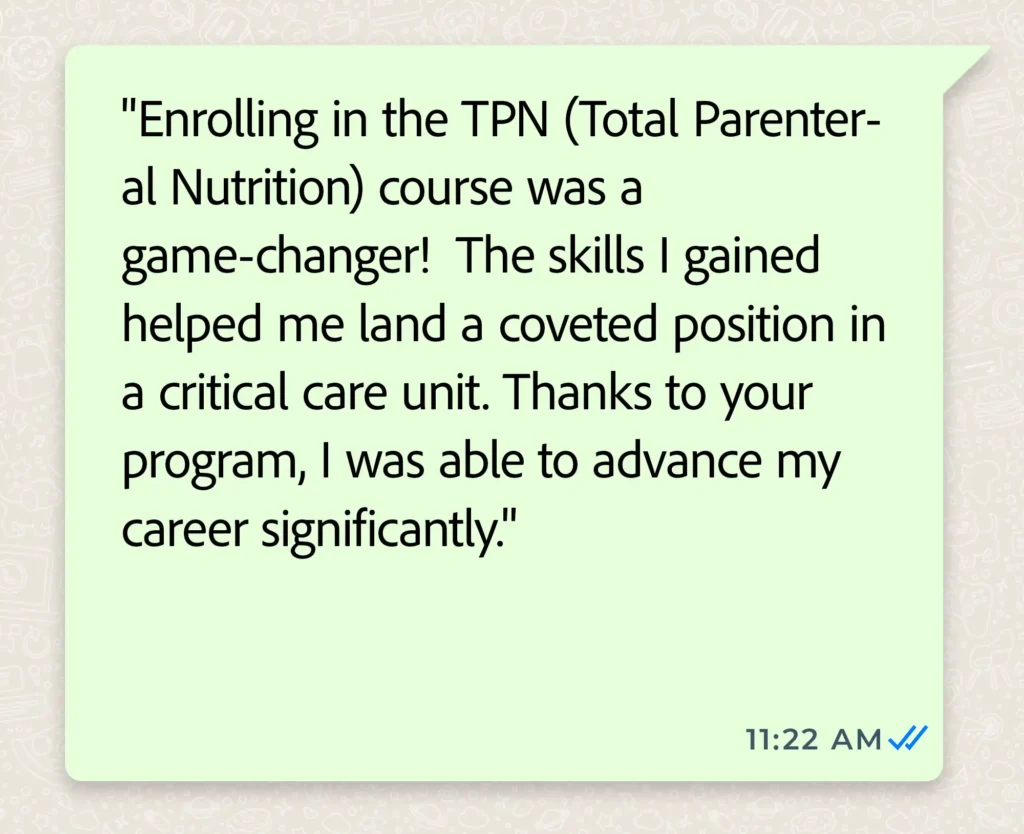
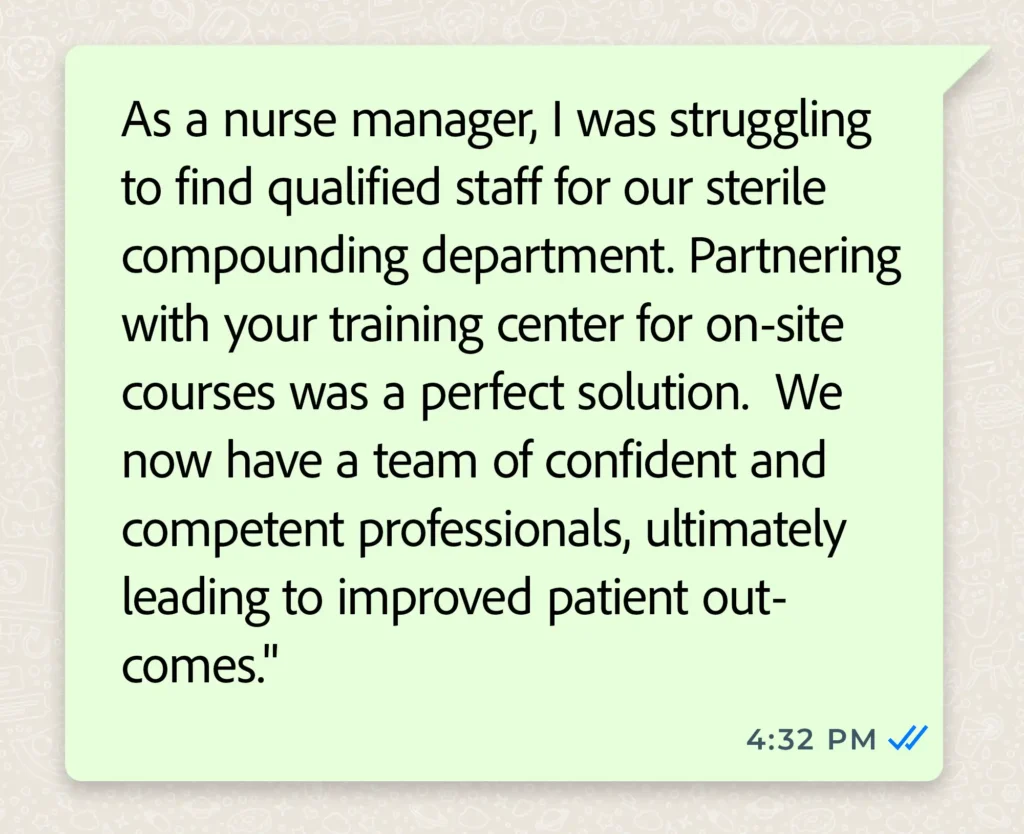
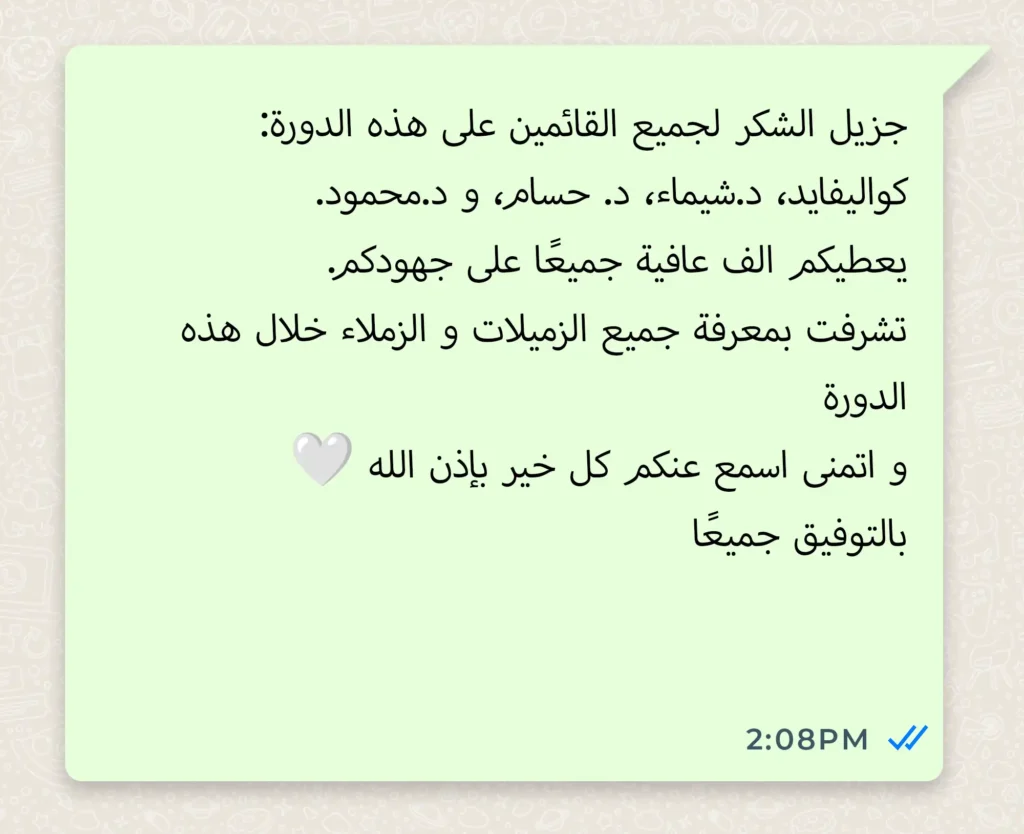
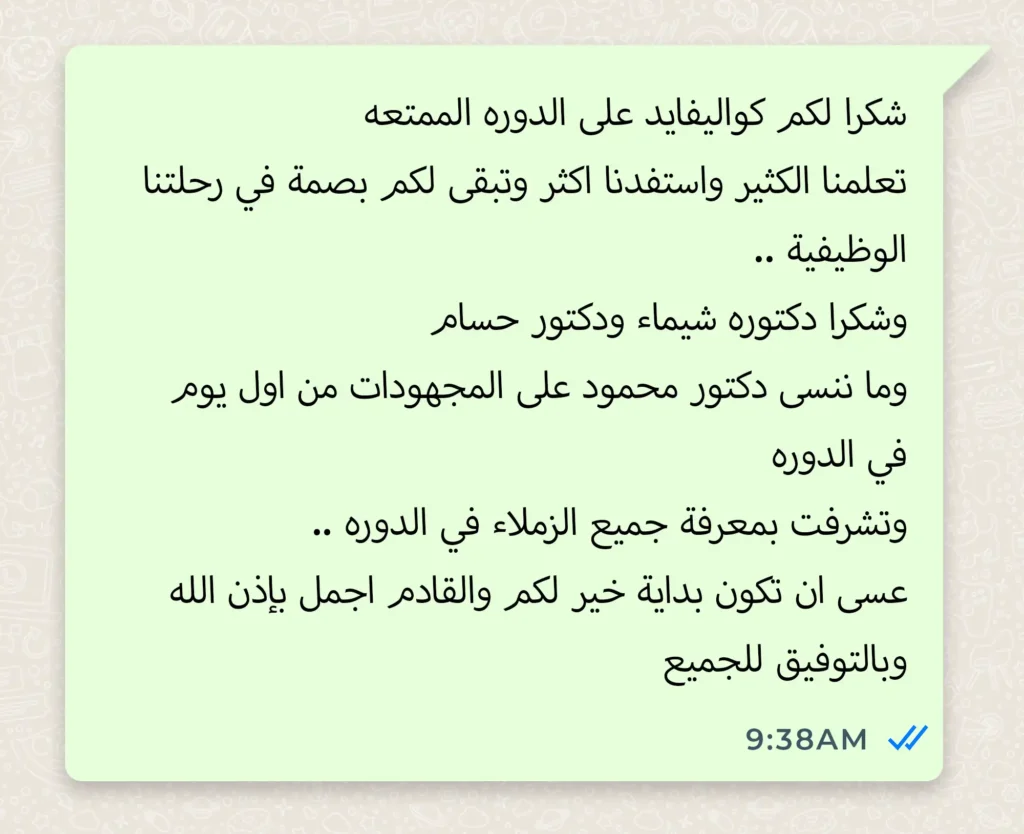
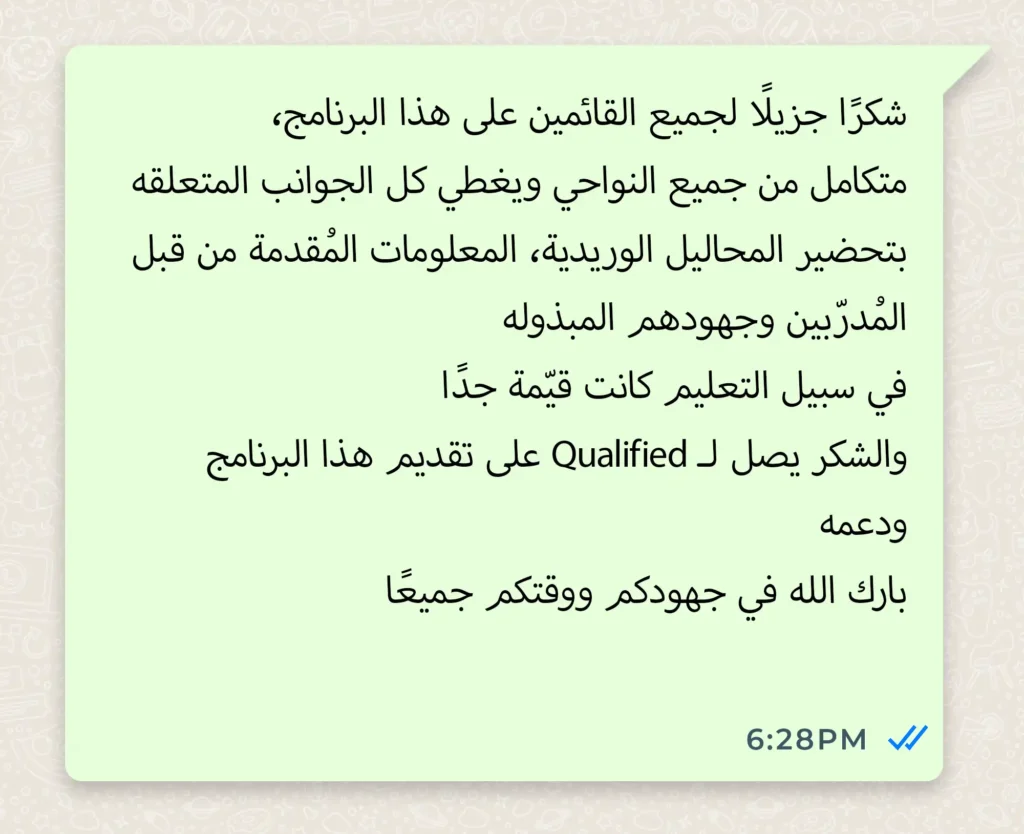
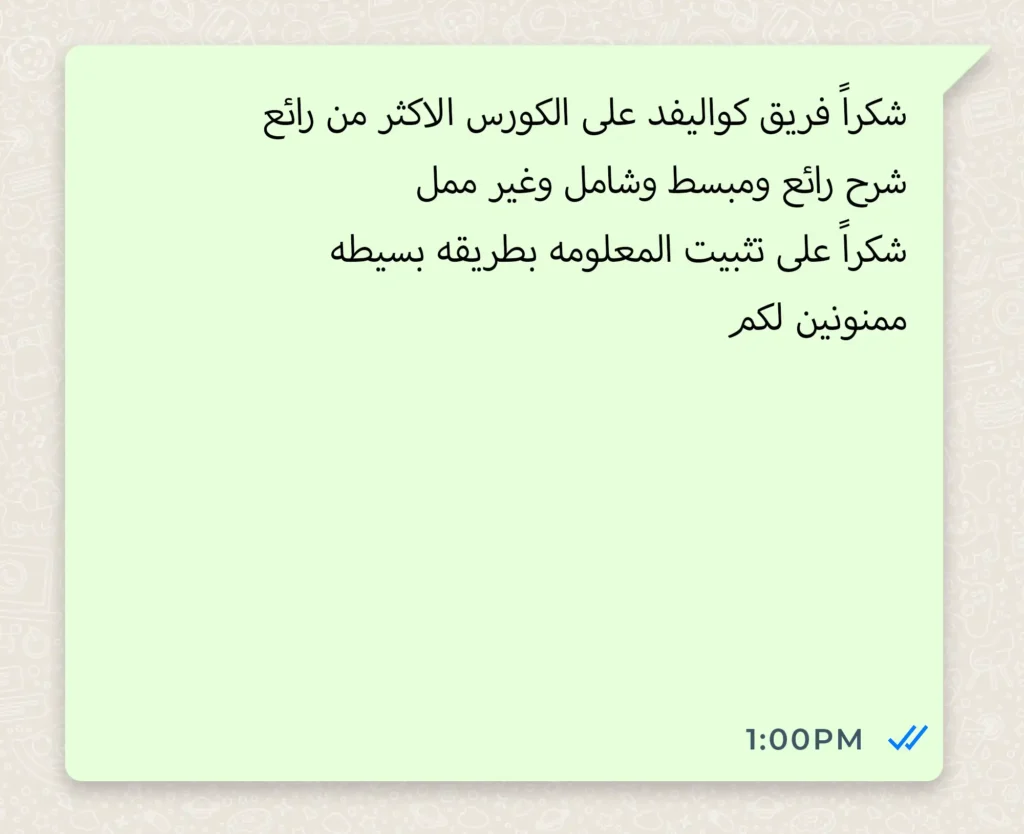
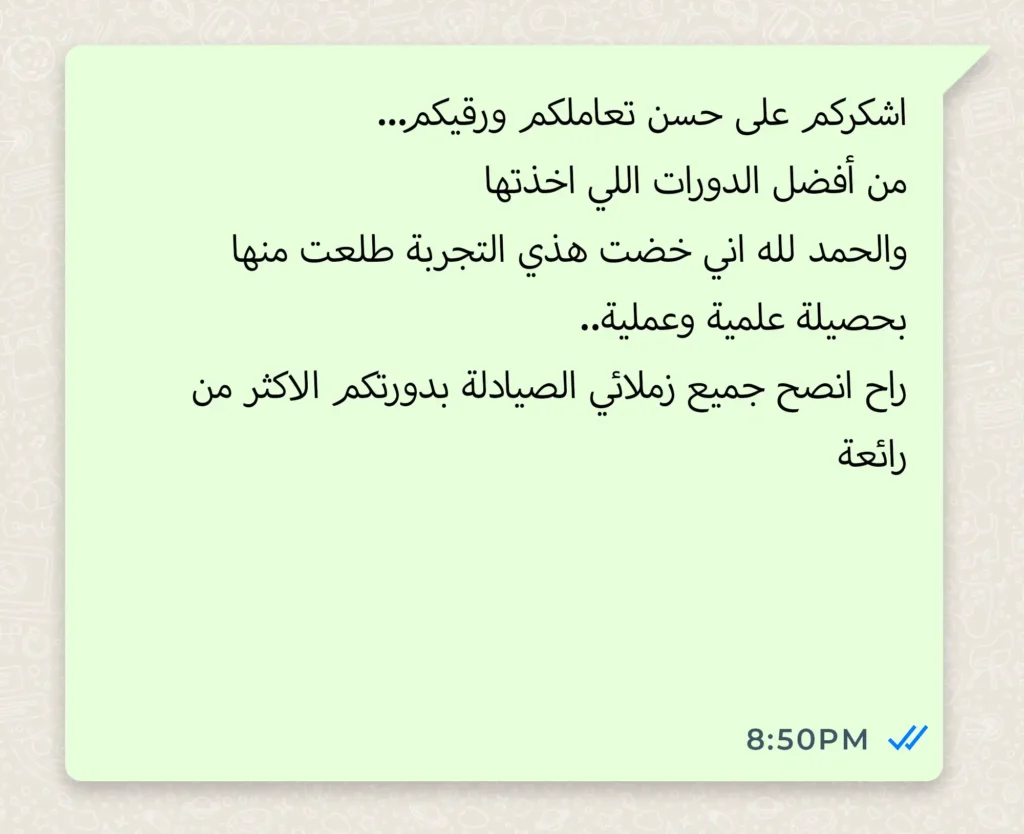
Real-World ResultsWhat Our Participants Say About Our Program!
Discover why healthcare professionals choose our program to advance their knowledge in chemotherapy compounding and ensure patient safety:
Dr. Israa
Dr. Fares Al Zahrani
Dr. Ateka's
Secure Your CIVTATN Certificate
Participants who successfully complete the program’s formative and summative assessments will receive: “Certified IV Therapy & Aseptic Technique Nurse CIVTATN” certificate.
Invest Now
2500 SAR / AED
2500 SAR / AED
2500 SAR / AED
2500 SAR / AED
Or Pay 700 SAR / Month by
instead of3000 SAR / AED
Secure Investment Guarantee: We are confident in the quality and value of the program; therefore, we offer you a full fee refund guarantee immediately after the first session if the program does not meet your expectations. Invest with zero risk!






 Secure Investment Guarantee: We are confident in the quality and value of the program; therefore, we offer you a full fee refund guarantee immediately after the first session if the program does not meet your expectations. Invest with zero risk!