Certified Oncology Nurse CON Program
Become a Leader in Oncology Nursing Practice
Distinguish Yourself Though our Certified Oncology Nurse CON Program
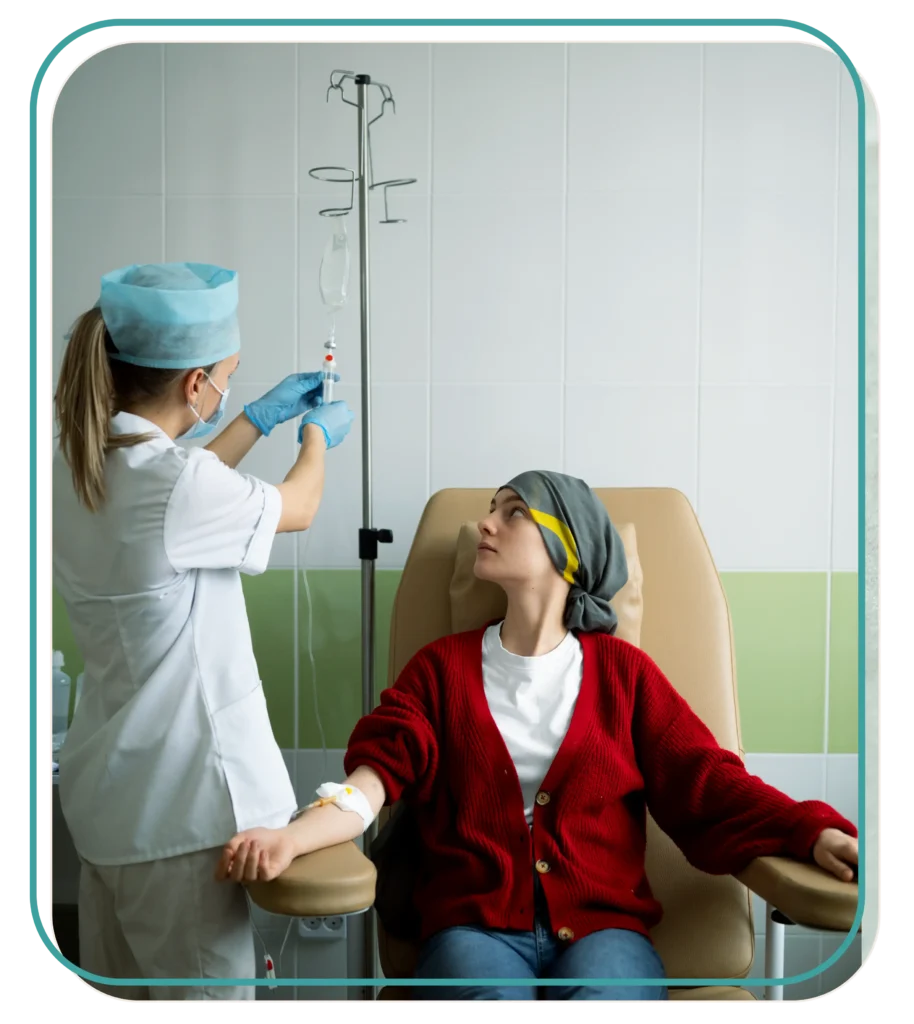
Develop specialized competencies in oncology nursing through a comprehensive evidence-based certificate program designed to strengthen clinical assessment, treatment management, patient safety, symptom control, oncologic emergency recognition, and psychosocial cancer care.
Why Enroll in our CON Program?
Develop specialized competencies in oncology nursing through a comprehensive evidence-based certificate program designed to strengthen clinical assessment, treatment management, patient safety, symptom control, oncologic emergency recognition, and psychosocial cancer care.
1. Comprehensive Oncology Curriculum
Covers the full spectrum of oncology nursing practice through six integrated modules.
2. Evidence-Based Clinical Practice
Learn current oncology nursing principles and evidence-based interventions.
3. Patient Safety Focus
Strengthen competencies in chemotherapy safety, symptom management, and oncologic emergency recognition.
4. Accreditation and Quality Alignment
Accredited by SCFHS and aligned with CBAHI and JCI standards.
5. Practical Clinical Relevance
Develop skills directly applicable to oncology units, infusion centers, ambulatory clinics, and cancer treatment facilities.
6. Holistic Cancer Care
Address physical, psychosocial, cultural, family, and survivorship needs of patients with cancer.
Key Learning Outcomes for the Certified Oncology Nurse CON Program
Upon completion of our certified oncology nurse perogram, participants will be able to:
◎ Explain cancer biology, staging, grading, and prognostic factors.
◎ Perform comprehensive oncology assessments.
◎ Recognize and respond to oncologic emergencies.
◎ Safely administer and monitor cancer treatments and supportive therapies.
◎ Manage treatment-related toxicities and complications.
◎ Interpret oncology laboratory findings and tumor markers.
◎ Apply evidence-based symptom management strategies.
◎ Support patients and families through psychosocial and cultural care approaches.
◎ Integrate ethical, quality, and safety standards into oncology practice.
◎ Communicate effectively during serious illness conversations.
Core Curriculum for Oncology Nursing Certified Program
Our certified oncology nurse CON Program equips nurses with the knowledge and practical decision-making skills needed to provide safe, evidence-based, patient-centered cancer care across the oncology continuum:
Module 1: Foundations of Oncology Nursing Practice
- Scope and standards of oncology nursing
- Bioethical principles
- Clinical trials and research participation
- Care transitions
- Occupational health and safety
- Vascular access devices
Module 2: Cancer as a Disease
- Cancer hallmarks and pathophysiology
- Tumor microenvironment
- Cancer prevention strategies
- Solid tumors and hematologic malignancies
- Staging and grading systems
- Common oncologic emergencies
Module 3: Oncology Assessment and Clinical Decision-Making
- Oncology-focused history and physical assessment
- Social determinants of health
- Geriatric oncology assessment
- CTCAE symptom grading
- Laboratory interpretation
- Cancer screening and early detection
Module 4: Cancer Treatment Modalities and Side Effects
- Chemotherapy
- Immunotherapy
- Targeted therapy
- Radiation therapy
- Stem cell transplantation
- Vascular access management
- Hazardous drug spill management
Module 5: Symptom Management and Oncologic Emergencies
- O-ABCDE assessment approach
- Metabolic emergencies
- Hematologic emergencies
- Gastrointestinal emergencies
- Neurologic emergencies
- Treatment-related emergencies
Module 6: Psychosocial, Cultural, and Family-Centered Oncology Care
- Psychosocial distress assessment
- Family-centered care
- Caregiver burden
- Cultural humility and CLAS standards
- Financial toxicity
- SPIKES communication framework
- Fear of Cancer Recurrence (FCR)
Practical Training & Clinical Skills: The Power of our CON Program
Participants who complete the CON program, develop practical competencies in:
◎ Oncology patient assessment.
◎ Clinical decision-making.
◎ Symptom grading and monitoring.
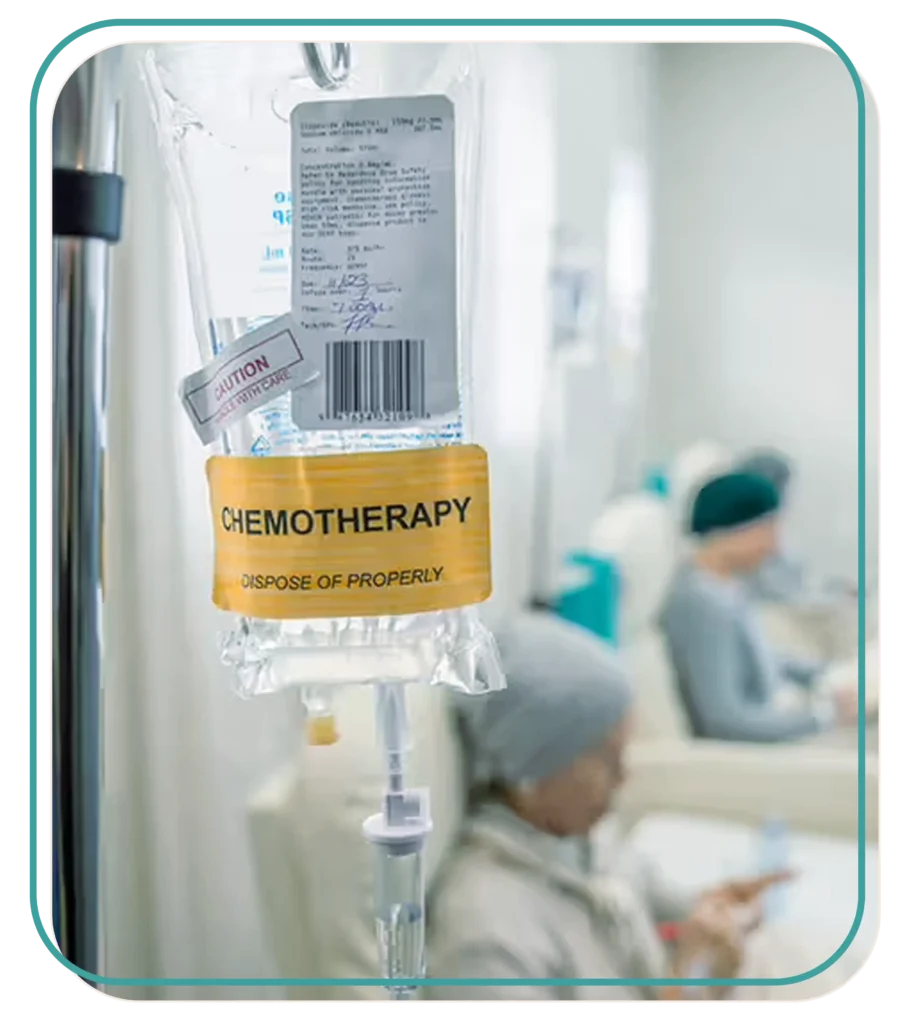
◎ Chemotherapy safety principles.
◎ Vascular access management.
◎ Hazardous drug spill response.
◎ Recognition of oncologic emergencies.
◎ Family-centered communication.
◎ Distress screening and psychosocial assessment.
Eligible Candidates for the Certified Oncology Nurse Program
Registered Nurses
Oncology Nurses
Ambulatory Care Nurses
Med-Surg Transitioning
Nurse Managers
Career Benefits of Being a Certified Oncology Nurse Practitioner
Graduates of our certified oncology nurse CON program will be positioned to:
◎ Strengthen oncology nursing competencies
◎ Improve patient safety and treatment outcomes
◎ Enhance clinical decision-making abilities
◎ Expand professional development opportunities
◎ Support quality and accreditation initiatives
◎ Contribute effectively to multidisciplinary cancer care teams
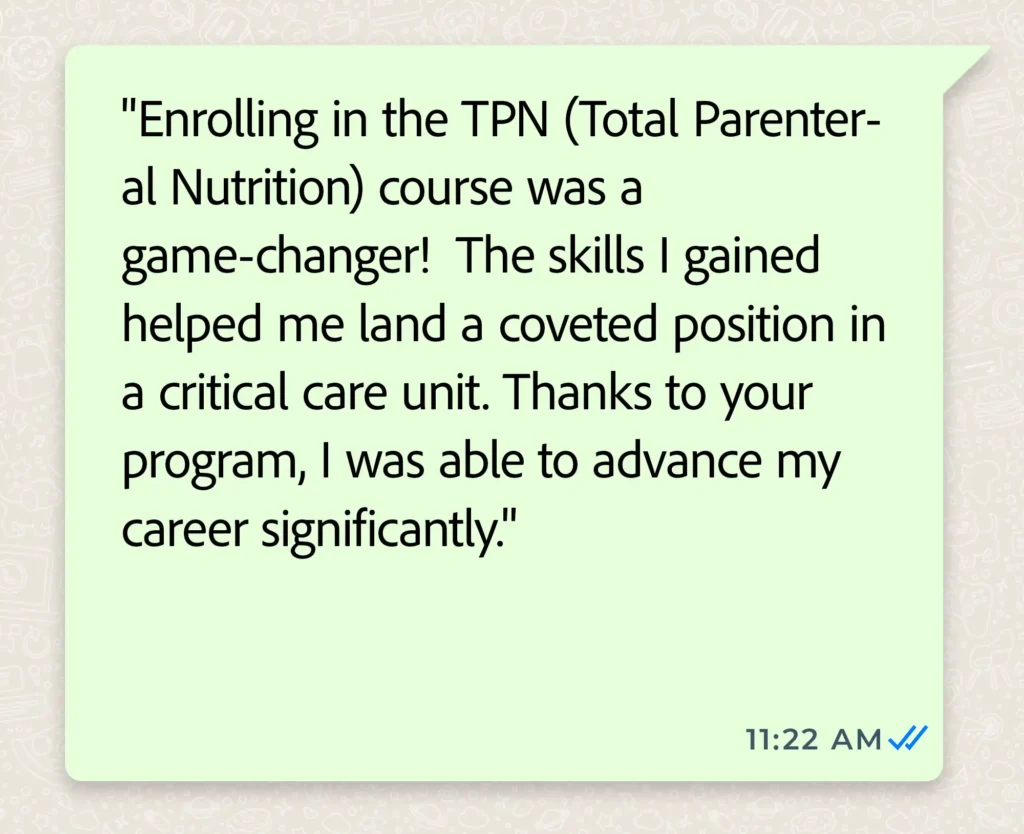
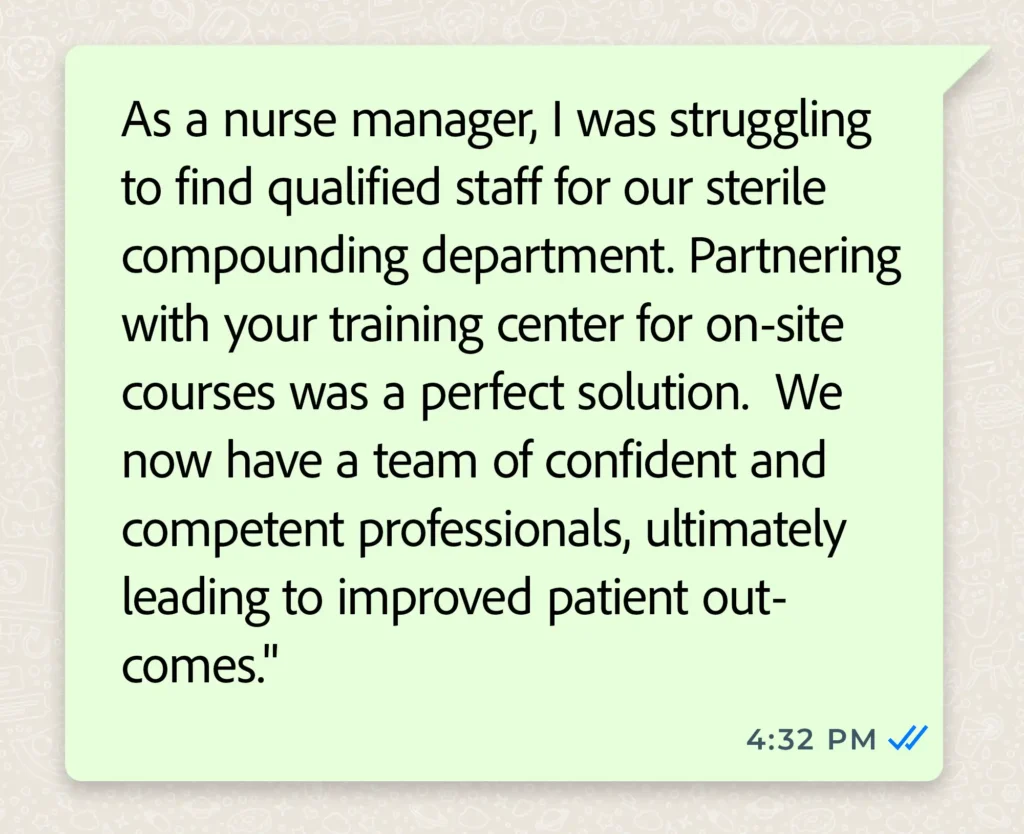
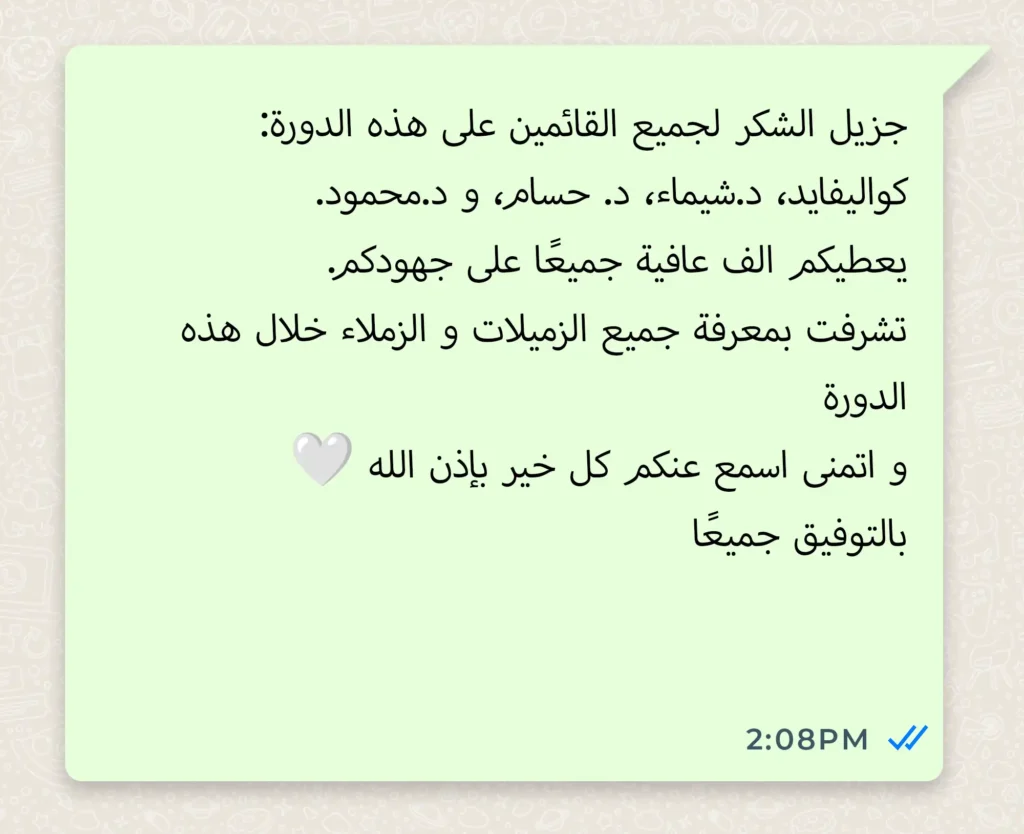
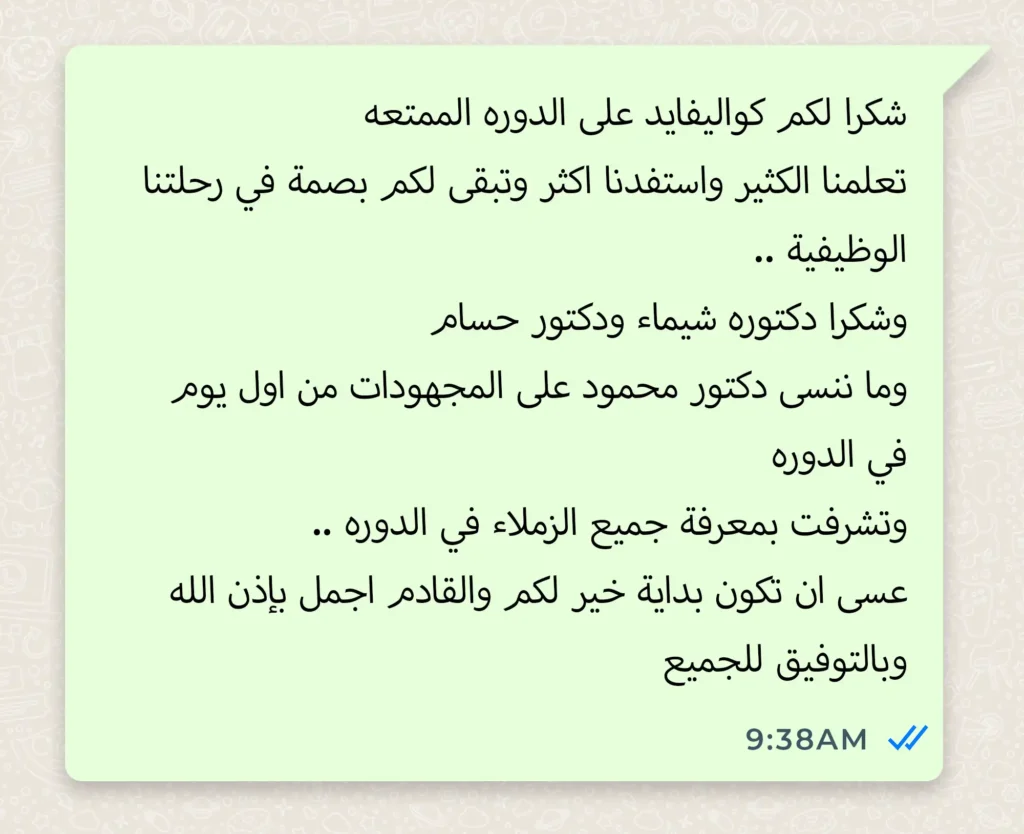
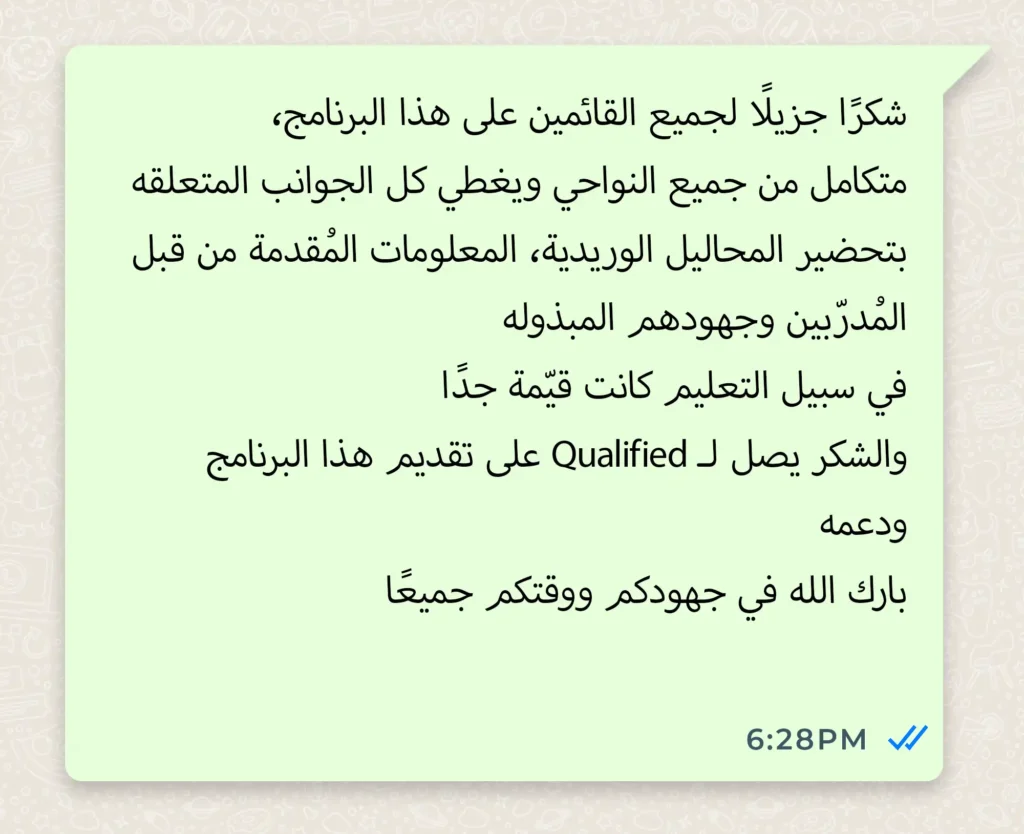
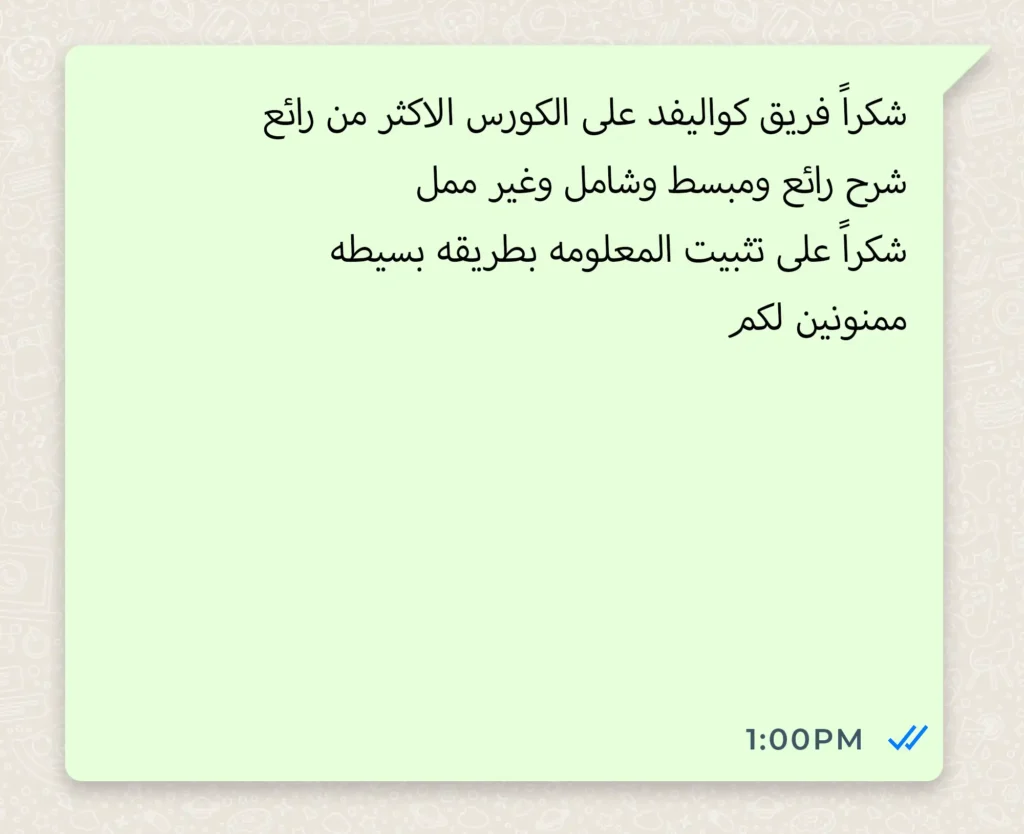
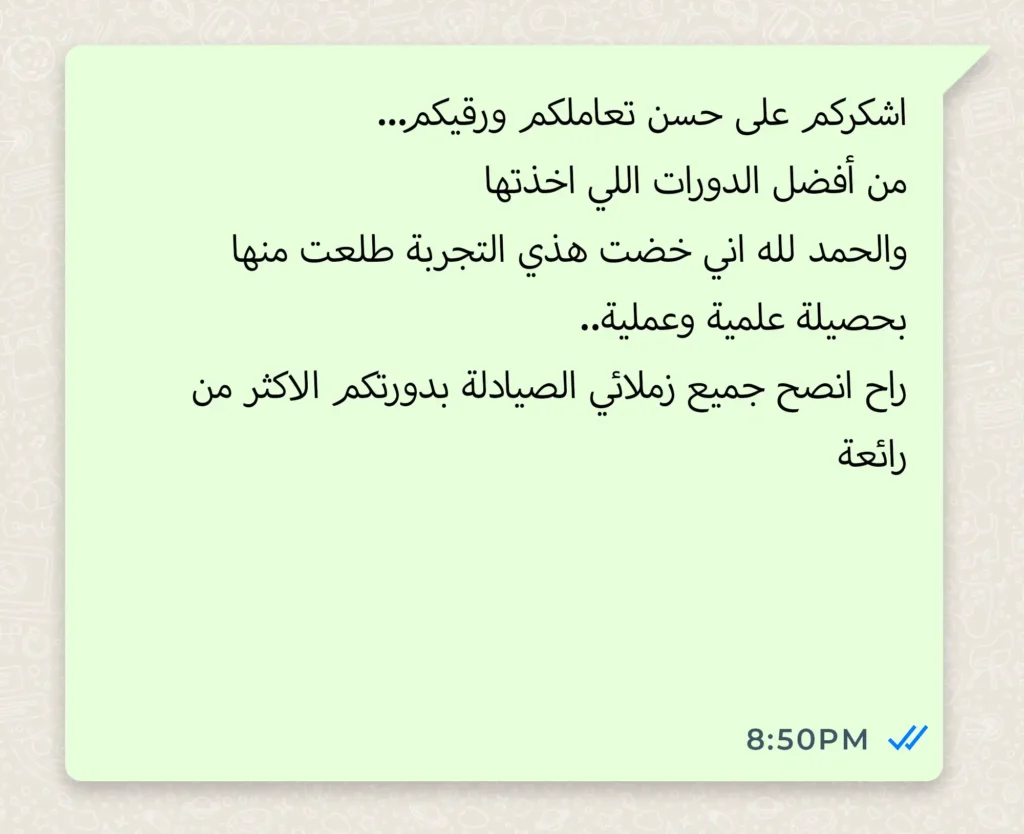
Discover why healthcare professionals choose our program to advance their knowledge in chemotherapy compounding and ensure patient safety:
Dr. Israa
Dr. Fares Al Zahrani
Dr. Ateka's
Get Your “Certified Oncology Nurse CON Program” Certification
Participants who successfully complete the program’s formative and summative assessments will receive the “Certified Oncology Nurse CON Program” Certificate
Invest Now 2900 SAR / AED 2900 SAR / AED 2900 SAR / AED 2900 SAR / AED
Or Pay 700 SAR / Month
by
instead of 4000 SAR / AED
Secure Investment Guarantee: We are confident in the quality and value of the program; therefore, we offer you a full fee refund guarantee immediately after the first session if the program does not meet your expectations. Invest with zero risk!

Frequently Asked Questions
1. What is the Oncology Nurse Certificate Program?
A specialized professional development program designed to enhance oncology nursing knowledge and clinical competencies.
2. Is the program accredited?
Yes. The program is accredited by the Saudi Commission for Health Specialties (SCFHS).
3. How many modules are included?
Six comprehensive modules.
4. Does the program cover oncologic emergencies?
Yes. Dedicated training is provided on recognition and management of oncologic emergencies.
5. Are psychosocial aspects of cancer care included?
Yes. The curriculum includes psychosocial, cultural, and family-centered oncology care.
6. Does the program address chemotherapy safety?
Yes. Safe administration principles and treatment-related toxicities are covered.
7. Will I learn oncology assessment skills?
Yes. Oncology-focused assessment and clinical decision-making are core components.
8. Is communication training included?
Yes. Participants learn the SPIKES communication framework for serious illness conversations.
9. Does the program cover cancer biology?
Yes. Cancer pathophysiology, staging, grading, and prevention are included.
10. What standards is the program aligned with?
The program is aligned with CBAHI and JCI standards.